How to Study for Exams Efficiently Under Pressure

How to Study for Exams Efficiently Under Pressure
Studying for exams efficiently under pressure is a critical skill that can significantly impact academic outcomes. When time is short and stakes are high, traditional study methods often prove insufficient, leading to stress and reduced retention. This article provides a comprehensive guide to mastering high-pressure study scenarios, focusing on strategies that maximize learning and performance when every minute counts.
Understanding the Psychology of Pressure Studying
The psychology of pressure studying involves recognizing how stress impacts cognitive functions and adapting study techniques to mitigate negative effects. Under pressure, the brain's prefrontal cortex, responsible for executive functions like planning and decision-making, can become impaired, while the amygdala, linked to fear and emotional responses, becomes overactive. This can lead to decreased focus, impaired memory retrieval, and heightened anxiety.
The Impact of Stress on Learning and Memory
Stress can significantly hinder learning and memory by affecting neurochemical processes. Chronic stress, in particular, can damage neurons in the hippocampus, a brain region vital for memory formation. Acute stress, while sometimes providing a boost, more often narrows attention, making it harder to absorb complex information and recall it accurately during an exam. Understanding these mechanisms is the first step in developing effective coping strategies.
Common Pitfalls of Last-Minute Studying
Last-minute studying often leads to several common pitfalls, including superficial learning, burnout, and increased anxiety. Students tend to cram, attempting to absorb vast amounts of information without deep understanding or proper consolidation. This method rarely leads to long-term retention and can result in 'information overload,' where the brain struggles to process and organize new data effectively. Moreover, the lack of sleep that often accompanies cramming further impairs cognitive function.
Strategic Planning and Prioritization for Efficient Study
Strategic planning and prioritization are essential for studying efficiently under pressure, allowing you to focus your limited time on the most critical material. Instead of trying to cover everything, identify high-yield topics and allocate your study time accordingly.
Assessing the Exam Scope and Format
Before diving into any material, assess the exam scope and format thoroughly to understand what to prioritize. Review the syllabus, past exams, instructor notes, and any provided study guides. Identify key topics, learning objectives, and the types of questions (e.g., multiple-choice, essay, problem-solving). This initial assessment helps you narrow down the vast amount of information to what is most likely to be tested.
Prioritizing High-Yield Topics and Concepts
Prioritizing high-yield topics and concepts ensures you spend your limited time on material that offers the greatest return on investment. Look for recurring themes, topics emphasized by your instructor, and areas where you feel least confident. A common method is the 80/20 rule (Pareto Principle), where 80% of the exam questions might come from 20% of the material. Focus on mastering this core 20% first.
Creating a Realistic and Flexible Study Schedule
Creating a realistic and flexible study schedule is crucial when studying under pressure, as it provides structure without adding undue stress. Break down your study time into manageable blocks, allocating specific topics to each. Be realistic about how much you can cover in a given period and build in short breaks to prevent burnout. Flexibility means being able to adjust your schedule if unexpected issues arise, rather than abandoning it entirely. For more on structuring your time, consider reading about study timetables for exams or a proven study schedule for exams.
Effective Study Techniques for High-Pressure Situations
Effective study techniques for high-pressure situations are those that maximize retention and understanding in minimal time, focusing on active engagement rather than passive review.
Active Recall and Retrieval Practice
Active recall and retrieval practice are among the most powerful study methods for high-pressure situations because they force your brain to retrieve information, strengthening memory pathways. Instead of passively rereading notes, quiz yourself on concepts, explain topics aloud without looking at your materials, or use flashcards. This method mimics the actual exam experience and highlights areas where your understanding is weak. For a deeper dive, explore how to study for exams using retrieval practice.
Spaced Repetition for Memory Retention
Spaced repetition is a highly effective technique for memory retention, especially valuable when time is tight, as it optimizes review intervals. This method involves reviewing material at increasing intervals over time, ensuring that information is moved from short-term to long-term memory. Tools like Anki or Quizlet can automate this process, presenting flashcards for review just as you are about to forget the information. While ideal for long-term planning, even short-term application can be beneficial for high-stakes exams.
Practice Testing and Mock Exams
Practice testing and mock exams are indispensable for studying under pressure because they simulate the actual exam environment, reducing anxiety and identifying knowledge gaps. Work through past papers, sample questions, or textbook problems under timed conditions. This not only familiarizes you with the exam format but also helps you manage your time during the real test. Analyzing your mistakes from practice tests is just as important as taking them. Learn more about how to study for exams using practice testing.
Summarization and Concept Mapping
Summarization and concept mapping are active learning strategies that help condense information and visualize connections between ideas, making them excellent for efficient review. Summarize chapters or lecture notes in your own words, focusing on main points and key details. Create concept maps or mind maps to visually link related concepts, theories, and examples. This process forces you to synthesize information and identify relationships, leading to a deeper understanding.
Optimizing Your Study Environment and Well-being
Optimizing your study environment and prioritizing well-being are crucial for maintaining focus and resilience when studying under pressure, directly impacting your ability to learn and perform.
Creating an Ideal Study Space
Creating an ideal study space minimizes distractions and fosters concentration, which is paramount when time is limited. Choose a quiet area with good lighting and a comfortable chair. Ensure all necessary materials are within reach to avoid interruptions. Declutter your workspace to reduce visual distractions. If possible, designate this space solely for studying to create a mental association between the environment and focused work.
Minimizing Distractions (Digital and Environmental)
Minimizing distractions, both digital and environmental, is critical for maximizing productivity during high-pressure study sessions. Put your phone on silent or in another room, close unnecessary tabs on your computer, and consider using website blockers. Inform housemates or family members of your study schedule to reduce interruptions. A focused hour is far more productive than several hours constantly interrupted.
The Importance of Short, Strategic Breaks
Short, strategic breaks are not a luxury but a necessity for maintaining cognitive function and preventing burnout during intense study periods. The Pomodoro Technique, for example, suggests 25 minutes of focused work followed by a 5-minute break. These breaks allow your brain to rest and consolidate information, improving overall efficiency and retention. Use breaks to move, stretch, or hydrate, but avoid activities that might lead to further distraction. You can also explore strategies for studying when tired.
Nutrition, Hydration, and Sleep for Peak Performance
Nutrition, hydration, and sleep are foundational for peak cognitive performance, especially under the stress of exam preparation. Fuel your body with balanced meals and healthy snacks, avoiding excessive sugar or caffeine crashes. Stay well-hydrated by drinking plenty of water. Crucially, prioritize sleep; even a few hours of lost sleep can severely impair memory, concentration, and problem-solving abilities. Aim for consistent sleep, even if it means cutting a study session slightly short.
Managing Exam-Related Anxiety and Stress
Managing exam-related anxiety and stress is essential for performing your best, as excessive worry can derail even the most prepared student.
Mindfulness and Relaxation Techniques
Mindfulness and relaxation techniques can significantly reduce exam-related anxiety by helping you stay present and calm. Simple deep breathing exercises, progressive muscle relaxation, or short meditation sessions can lower heart rate, reduce muscle tension, and clear your mind. Incorporate these practices into your study breaks or before starting a session to foster a more focused and less stressed state.
Positive Self-Talk and Visualization
Positive self-talk and visualization are powerful tools to combat negative thoughts and build confidence when facing exams. Replace self-defeating thoughts with encouraging affirmations. Visualize yourself successfully navigating the exam, answering questions confidently, and achieving your desired outcome. This mental rehearsal can prime your brain for success and reduce performance anxiety.
Seeking Support When Needed
Seeking support when needed is a sign of strength, not weakness, and can provide invaluable assistance during stressful exam periods. Talk to friends, family, professors, or academic advisors about your concerns. Many institutions offer counseling services specifically for students dealing with academic stress. Sharing your feelings can provide perspective, practical advice, and emotional relief.
The Day Before and Day of the Exam
The day before and the day of the exam require specific strategies to ensure you are well-rested, calm, and ready to perform optimally.
Final Review Strategies (No Cramming)
Final review strategies on the day before the exam should focus on consolidation and light review, not last-minute cramming. Avoid trying to learn new material. Instead, quickly review your summaries, concept maps, or flashcards. Focus on high-level concepts and tricky areas you've already identified. The goal is to reinforce existing knowledge, not to overwhelm your brain. For detailed guidance, see how to study the day before an exam.
Pre-Exam Routine and Logistics
Establishing a pre-exam routine and confirming logistics reduces anxiety and ensures you arrive prepared. Lay out your clothes, pack your bag with necessary items (pens, calculator, ID, water bottle, snacks), and set multiple alarms. Plan your route to the exam location, accounting for potential delays. A smooth morning routine helps you start the day feeling in control.
During the Exam: Time Management and Test-Taking Tips
During the exam, effective time management and strategic test-taking tips are crucial for maximizing your score. Read all instructions carefully. Scan the entire exam first to gauge the length and difficulty of sections, then allocate your time accordingly. Start with questions you know well to build confidence. If you get stuck, move on and return later if time permits. Don't be afraid to skip questions you are unsure about and come back to them. For multiple-choice, eliminate obviously wrong answers. For essays, quickly outline your points before writing. Remember to breathe and stay calm; a clear mind performs better.
Long-Term Strategies for Reducing Exam Pressure
Long-term strategies for reducing exam pressure involve adopting consistent study habits throughout the academic term, making exam periods less daunting.
Consistent Study Habits Throughout the Semester
Consistent study habits throughout the semester are the most effective long-term strategy for reducing exam pressure, as they prevent the need for intensive cramming. Regularly review lecture notes, complete assignments on time, and engage with the material week by week. This distributed practice approach ensures that learning is cumulative and that information is stored in long-term memory, making exam preparation a process of review rather than initial learning. Check out our guide on weekly study plans for exams.
Developing Strong Organizational Skills
Developing strong organizational skills helps manage academic workload and reduces stress by keeping track of assignments, deadlines, and study materials. Use a planner or digital calendar to log all important dates. Organize your notes and files systematically, either physically or digitally, so you can quickly access information when needed. A well-organized system minimizes time wasted searching for materials and allows for more efficient study sessions.
Understanding Your Learning Style
Understanding your learning style allows you to tailor study methods to your personal strengths, making learning more efficient and less frustrating. Whether you are a visual, auditory, reading/writing, or kinesthetic learner, knowing your preference enables you to select techniques that resonate most with you. For instance, visual learners might benefit from diagrams and concept maps, while auditory learners might prefer listening to lectures or explaining concepts aloud. This self-awareness optimizes your study efforts and makes the process more enjoyable.
FAQ
What is the most effective way to start studying when feeling overwhelmed by pressure?
When feeling overwhelmed, the most effective way to start is by breaking down the task into small, manageable chunks. Begin with a quick assessment of the most critical topics, create a mini-schedule for the next hour, and focus on one small task at a time to build momentum and reduce anxiety.
How can I improve my memory retention during intense study periods?
To improve memory retention during intense study, prioritize active recall, spaced repetition, and interleaving. Regularly test yourself, review material at increasing intervals, and mix different subjects or topics to strengthen neural connections and prevent forgetting.
Is it better to pull an all-nighter or get a few hours of sleep before an exam?
It is almost always better to get a few hours of sleep rather than pull an all-nighter before an exam. Sleep is crucial for memory consolidation and cognitive function, and even a short period of rest will improve your ability to recall information and think clearly compared to sleep deprivation.
How do I combat procrastination when facing a tight deadline for an exam?
Combat procrastination by using the Pomodoro Technique, setting clear and small goals, and rewarding yourself for completing tasks. Identify the root cause of your procrastination (e.g., fear of failure, perfectionism) and address it through self-compassion and realistic expectations. You can find more strategies in our guide to stopping procrastination for exams.
What are some quick relaxation techniques I can use right before an exam?
Right before an exam, quick relaxation techniques include deep belly breathing (inhale for 4, hold for 4, exhale for 6), progressive muscle relaxation (tensing and releasing muscle groups), and a brief visualization of success. These methods can calm your nervous system and improve focus.
How can I stay motivated when studying for a difficult exam under pressure?
Stay motivated by reminding yourself of your goals, visualizing the positive outcomes of success, and celebrating small victories. Break down the material into achievable milestones, and consider studying with a supportive peer to maintain accountability and share the burden. For more on motivation, see how to study for exams without motivation.
Should I review old material or focus only on new topics when time is limited?
When time is limited, prioritize reviewing old material, especially high-yield concepts, over learning entirely new topics. Reinforcing existing knowledge ensures you solidify what you already know, which is more effective than superficially covering new, untested information.
Enjoyed this article?
Share it with others who might find it helpful.
Related Articles

How to Solve Molarity Problems: Step-by-Step Mastery
Learn how to solve molarity problems step-by-step with formulas, unit tips, and worked examples so you can calculate concentration with confidence.
Mar 26, 2026

Avoid These 7 Common Molarity Mistakes in Chemistry
Master chemistry calculations! Avoid common molarity mistakes with our expert guide on unit conversions, dilution errors, and proper lab techniques.
Mar 26, 2026

What Is Molarity? The Complete Guide to Molar Concentration
Master molarity with our complete guide. Learn the formula, step-by-step calculations, and the critical differences between molarity and molality.
Mar 26, 2026
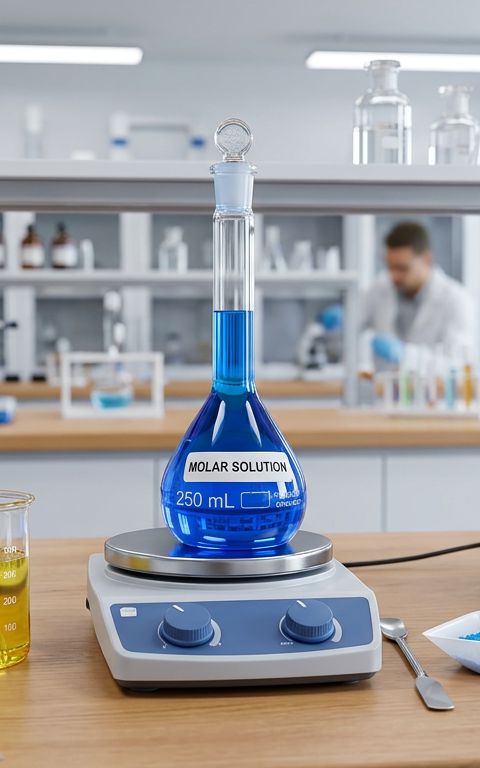
Why Molarity Matters: Converting Mass to Moles for Lab Solutions
Master chemistry with our guide to the molarity formula. Learn how to calculate concentration with step-by-step examples, units, and practical lab tips.
Mar 26, 2026
Molarity vs Molality: The Essential Difference Explained
Master the difference between molarity vs molality. Learn the formulas, key differences, and when to use each in this comprehensive chemistry guide.
Mar 26, 2026