Easy USMLE Reproductive Physiology Practice Questions
**Concept Explanation**
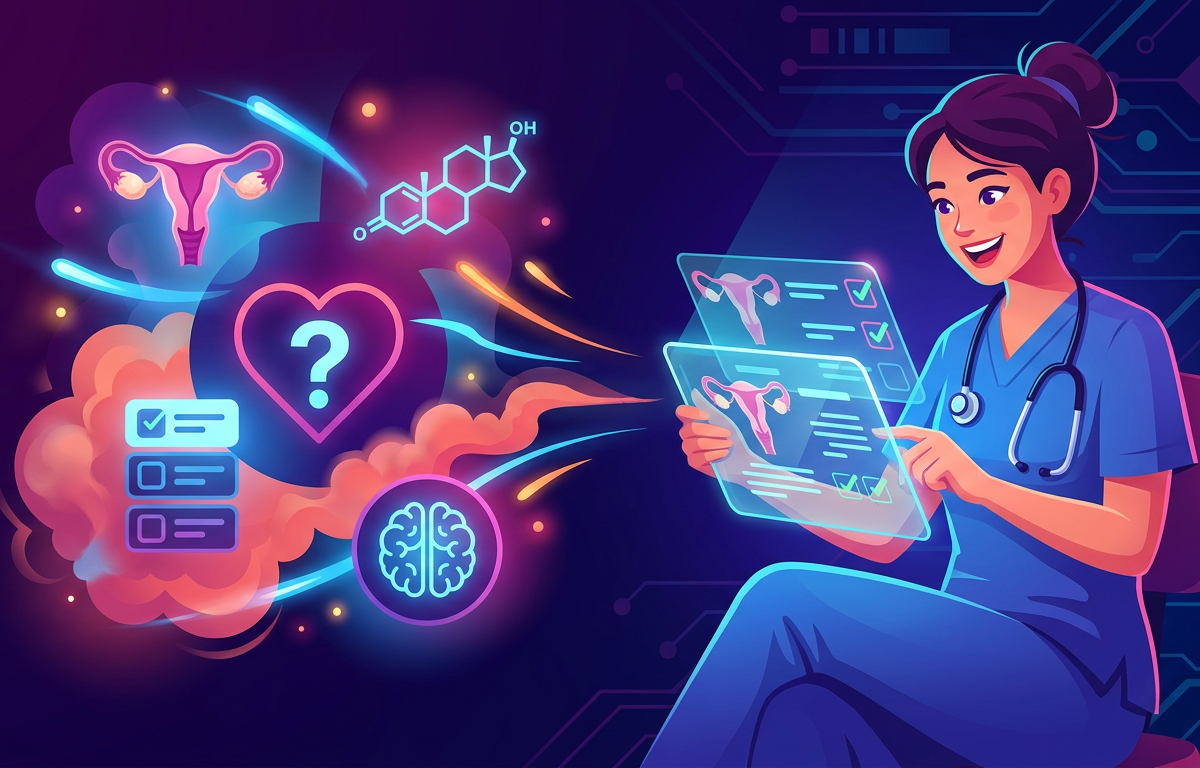
Reproductive physiology encompasses the complex hormonal and physiological processes that regulate human gametogenesis, the menstrual cycle, pregnancy, and sexual development. At the heart of this system is the Hypothalamic-Pituitary-Gonadal (HPG) axis. The hypothalamus secretes Gonadotropin-releasing hormone (GnRH) in a pulsatile fashion, which stimulates the anterior pituitary to release Luteinizing Hormone (LH) and Follicle-Stimulating Hormone (FSH). These hormones then act on the gonads—the testes in males and the ovaries in females—to produce sex steroids like testosterone, estrogen, and progesterone.
In the male reproductive system, LH stimulates the Leydig cells to produce testosterone, while FSH acts on the Sertoli cells to support spermatogenesis. In the female system, the menstrual cycle is divided into the follicular phase, ovulation, and the luteal phase. Estrogen levels rise during the follicular phase, eventually triggering a positive feedback loop that results in the LH surge. This surge is the primary trigger for ovulation. Following ovulation, the remaining follicle becomes the corpus luteum, which secretes progesterone to prepare the endometrium for potential implantation. Understanding these feedback loops is essential for success in USMLE Prep and clinical practice.
Pregnancy introduces further complexity, as the placenta takes over hormone production. Human Chorionic Gonadotropin (hCG), produced by the syncytiotrophoblast, maintains the corpus luteum during the first trimester until the placenta can produce sufficient progesterone on its own. For those looking to broaden their physiological knowledge, reviewing USMLE Endocrine Physiology Practice Questions can help clarify how these reproductive hormones interact with broader metabolic pathways.
**Solved Examples**
- Question: A 24-year-old woman has a regular 28-day menstrual cycle. On which day is ovulation most likely to occur, and what hormone surge triggers it?
Solution:- Identify the standard cycle length: 28 days.
- Recall that the luteal phase is constant at approximately 14 days.
- Subtract the luteal phase from the total cycle: .
- Identify the trigger: A rapid rise in estrogen causes a positive feedback effect on the pituitary, leading to a surge in Luteinizing Hormone (LH).
- Conclusion: Ovulation occurs on Day 14, triggered by the LH surge.
- Question: How do the roles of Leydig cells and Sertoli cells differ in male reproductive physiology?
Solution:- Leydig cells are located in the interstitium and respond primarily to LH to synthesize testosterone.
- Sertoli cells are located within the seminiferous tubules and respond to FSH to support sperm development and produce Inhibin B.
- Note the mnemonic: LH acts on Leydig cells; FSH acts on Sertoli cells.
- Conclusion: Leydig cells produce testosterone, while Sertoli cells facilitate spermatogenesis.
- Question: During the first 8 weeks of pregnancy, what is the primary source of progesterone, and what hormone maintains it?
Solution:- In early pregnancy, the placenta is not yet fully functional for steroidogenesis.
- The corpus luteum in the ovary serves as the primary source of progesterone during the first trimester.
- The syncytiotrophoblast of the developing embryo secretes Human Chorionic Gonadotropin (hCG).
- hCG mimics LH to keep the corpus luteum alive and secreting progesterone.
- Conclusion: The corpus luteum produces progesterone, maintained by hCG.
**Practice Questions**
- A 22-year-old male is found to have a deficiency in 5-alpha-reductase. Which hormone is most likely to be decreased in this patient?
- During the mid-luteal phase of the menstrual cycle, which hormone is at its highest concentration in the serum?
- A patient with Kallmann syndrome presents with delayed puberty and anosmia. What is the fundamental defect in the HPG axis for this condition?
Ready to elevate your USMLE preparation?
Practice with AI-powered USMLE questions, personalized quizzes, adaptive learning, and detailed explanations.
Start USMLE Prep Free- Which hormone provides negative feedback to the anterior pituitary to specifically inhibit the secretion of FSH in males?
- A rise in basal body temperature during the menstrual cycle is a clinical indicator of which event?
- Progesterone levels are noted to be very low in a woman struggling with infertility. Progesterone is primarily responsible for which endometrial change?
- What is the primary estrogen produced by the ovaries during a woman's reproductive years?
- In the "two-cell, two-gonadotropin" theory of female steroidogenesis, which cell type converts androgens to estrogens?
- A woman in her 52nd year of life has not had a period for 12 months. Which hormone would you expect to be significantly elevated in her blood?
- What is the function of the acrosome reaction in human fertilization?
**Answers & Explanations**
- Dihydrotestosterone (DHT): 5-alpha-reductase is the enzyme responsible for converting testosterone into the more potent DHT, which is necessary for the development of male external genitalia.
- Progesterone: After ovulation, the corpus luteum secretes high levels of progesterone, reaching a peak during the mid-luteal phase (approximately day 21 of a 28-day cycle).
- Failure of GnRH neuron migration: Kallmann syndrome is caused by the failure of GnRH-secreting neurons to migrate from the olfactory placode to the hypothalamus, leading to hypogonadotropic hypogonadism.
- Inhibin B: Produced by the Sertoli cells, Inhibin B specifically targets the anterior pituitary to decrease FSH secretion without affecting LH.
- Ovulation: Progesterone has a thermogenic effect on the hypothalamus. A rise in progesterone following ovulation typically increases basal body temperature by to .
- Secretory transformation: Progesterone shifts the endometrium from the proliferative phase to the secretory phase, increasing vascularity and gland complexity to support implantation.
- Estradiol (E2): Estradiol is the most potent and primary estrogen secreted by the developing follicles in the ovaries before menopause.
- Granulosa cells: Under the influence of FSH, granulosa cells use the enzyme aromatase to convert androstenedione (produced by Theca cells) into estrogens.
- Follicle-Stimulating Hormone (FSH): In menopause, the exhaustion of ovarian follicles leads to decreased estrogen and inhibin, removing negative feedback and causing a dramatic rise in FSH.
- Penetration of the zona pellucida: The acrosome reaction releases enzymes like acrosin that allow the sperm to bore through the protective layers of the oocyte.
1. Which hormone is responsible for the milk let-down reflex in response to suckling?
**Frequently Asked Questions**
What is the role of the LH surge in the menstrual cycle?
The LH surge is a massive release of Luteinizing Hormone triggered by high levels of estrogen. It induces the primary oocyte to complete meiosis I and initiates the rupture of the follicle, resulting in ovulation.
How does the body prevent multiple sperm from fertilizing a single egg?
Upon sperm entry, the oocyte undergoes the cortical reaction, where cortical granules release enzymes that harden the zona pellucida. This process, known as the slow block to polyspermy, prevents additional sperm from penetrating the egg.
Why is FSH elevated in postmenopausal women?
In menopause, the ovaries stop producing sufficient estrogen and inhibin due to follicular depletion. The lack of negative feedback on the anterior pituitary leads to a compensatory and significant increase in FSH levels.
What is the difference between the follicular and luteal phases?
The follicular phase is the first half of the cycle dominated by estrogen and follicle growth, while the luteal phase is the second half dominated by progesterone and the corpus luteum. The follicular phase varies in length, but the luteal phase is typically a constant 14 days.
What does Inhibin do in the reproductive system?
Inhibin is a peptide hormone that selectively inhibits the secretion of FSH from the anterior pituitary. In females, it is produced by granulosa cells, and in males, it is produced by Sertoli cells to regulate gametogenesis.
For more practice with complex physiological systems, check out our USMLE Physiology Practice Questions with Answers or refine your skills with the AI Question Generator. If you are preparing for other clinical topics, you might find our USMLE Renal Physiology Practice Questions helpful for understanding fluid and electrolyte balance.
Ready to elevate your USMLE preparation?
Practice with AI-powered USMLE questions, personalized quizzes, adaptive learning, and detailed explanations.
Start USMLE Prep FreeTags
Enjoyed this article?
Share it with others who might find it helpful.
Related Articles
Hard USMLE Reproductive Physiology Practice Questions
Hard USMLE Reproductive Physiology Practice Questions
Jun 9, 2026

Medium USMLE Reproductive Physiology Practice Questions
Medium USMLE Reproductive Physiology Practice Questions
Jun 8, 2026
USMLE Reproductive Physiology Practice Questions with Answers
USMLE Reproductive Physiology Practice Questions with Answers
Jun 8, 2026
Hard USMLE GI Physiology Practice Questions
Hard USMLE GI Physiology Practice Questions
Jun 9, 2026
Hard USMLE Endocrine Physiology Practice Questions
Hard USMLE Endocrine Physiology Practice Questions
Jun 9, 2026

Hard USMLE Renal Physiology Practice Questions
Hard USMLE Renal Physiology Practice Questions
Jun 9, 2026
Hard USMLE Respiratory Physiology Practice Questions
Hard USMLE Respiratory Physiology Practice Questions
Jun 9, 2026

Hard USMLE Cardiovascular Physiology Practice Questions
Hard USMLE Cardiovascular Physiology Practice Questions
Jun 9, 2026