NAPLEX Hazardous Drug Practice Questions with Answers
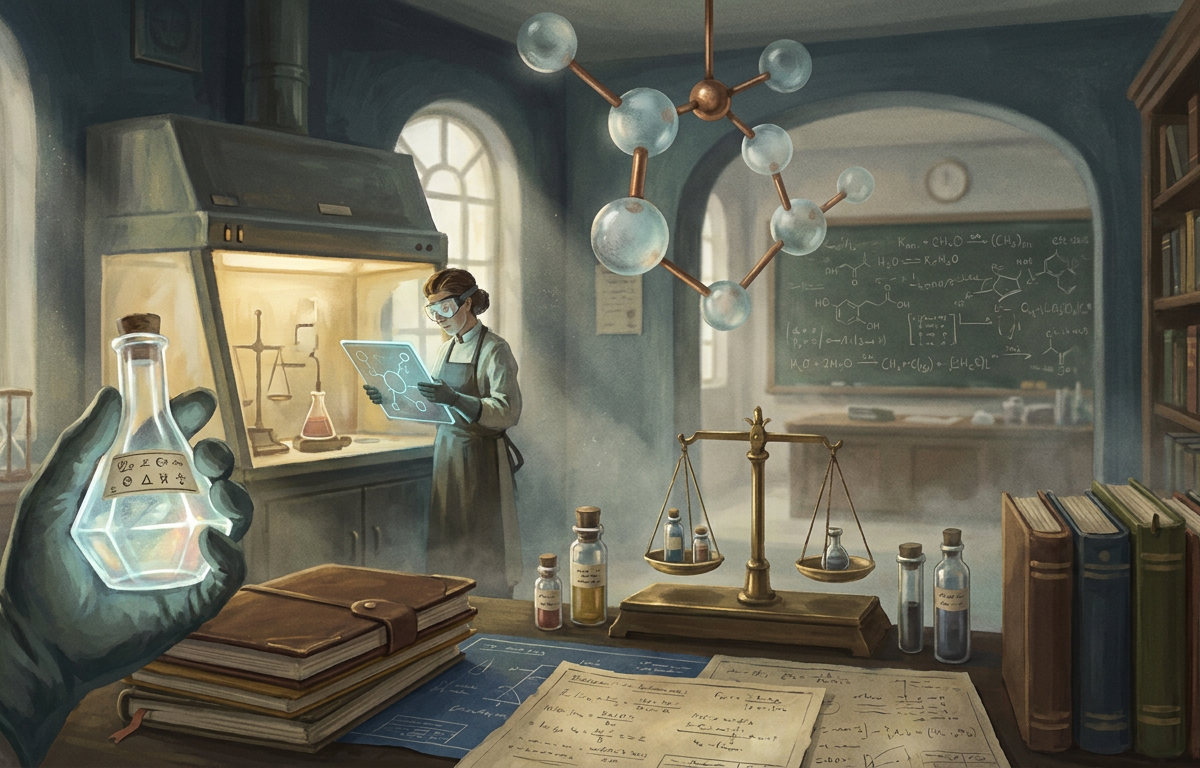
NAPLEX Hazardous Drug Practice Questions with Answers
Mastering the handling and preparation of hazardous drugs is a critical component of the NAPLEX exam, as it ensures both patient safety and the protection of healthcare workers. This NAPLEX hazardous drug practice questions with answers guide covers essential USP <800> standards, personal protective equipment (PPE), and containment strategies. Whether you are reviewing for the first time or doing a final check, these concepts are high-yield for clinical and compounding sections of the exam.
Concept Explanation
Hazardous drugs (HDs) are medications that pose a significant health risk to healthcare workers due to their potential for carcinogenicity, teratogenicity, reproductive toxicity, organ toxicity at low doses, or genotoxicity. The National Institute for Occupational Safety and Health (NIOSH) maintains a list of these drugs, which include antineoplastics, certain hormones, and transplant medications. To safely manage these agents, the United States Pharmacopeia (USP) Chapter <800> provides standards for the handling of HDs in healthcare settings.
Key requirements for handling hazardous drugs include:
- Containment Primary Engineering Control (C-PEC): A ventilated device designed to minimize worker exposure (e.g., Biological Safety Cabinets or Compounding Aseptic Containment Isolators).
- Containment Secondary Engineering Control (C-SEC): The room in which the C-PEC is placed, which must be externally vented, physically separated, and maintain negative pressure.
- Personal Protective Equipment (PPE): Essential gear including double chemotherapy-rated gloves, gowns, respiratory protection, and eye protection.
- Closed System Drug-Transfer Devices (CSTDs): Devices that mechanically prevent the escape of a drug in vapor or liquid form and prevent the entry of environmental contaminants.
For students looking to integrate this knowledge into a broader study plan, utilizing a NAPLEX Prep hub can provide the necessary structure to master these complex regulations. Understanding the difference between sterile and non-sterile HD compounding is also vital, as the requirements for air changes per hour (ACPH) and ISO classifications differ significantly.
Solved Examples
Example 1: Pressure Requirements
A pharmacy is designing a new cleanroom for sterile hazardous drug compounding. What is the required pressure relationship and minimum Air Changes Per Hour (ACPH) for the C-SEC?
- Identify the standard for sterile HD compounding: USP <800>.
- Determine the pressure: The room must maintain a negative pressure of to inches of water column relative to adjacent areas.
- Determine the ACPH: Sterile HD compounding areas require a minimum of 30 ACPH.
- Conclusion: The C-SEC must be negative pressure with at least 30 ACPH.
Example 2: PPE for HD Administration
A nurse is preparing to administer an intravenous chemotherapy agent. According to USP <800>, what is the minimum PPE requirement for administration?
- Reference administration standards: PPE is required for all HD handling.
- Identify specific requirements for injectable HDs: Two pairs of chemotherapy-rated gloves are required.
- Identify gown requirements: A chemotherapy-rated gown is required when administering injectables.
- Conclusion: The nurse must wear two pairs of chemotherapy gloves and a chemotherapy gown.
Example 3: Deactivation and Decontamination
A technician spills 5 mL of a hazardous drug on the work surface of the BSC. What is the correct sequence of chemical processing to clean the area?
- Deactivation/Decontamination: Use agents like sodium hypochlorite (bleach) or peroxide to render the compound inactive.
- Cleaning: Use a detergent to remove the deactivated residue.
- Disinfection: Use 70% Sterile Isopropyl Alcohol (IPA) to inhibit microbial growth.
- Conclusion: Deactivate → Clean → Disinfect.
Practice Questions
1. Which organization is responsible for maintaining the list of hazardous drugs that require safety precautions in healthcare settings?
2. A pharmacy intern is preparing a non-sterile hazardous drug (HD) cream. What is the minimum number of Air Changes Per Hour (ACPH) required for the C-SEC in this scenario?
3. During the compounding of a sterile hazardous drug, how often should the outer chemotherapy gloves be changed?
Train like it’s exam day.
Build confidence with timed NAPLEX practice questions, mock exams, and performance analytics.
Start Timed Practice4. Which of the following drugs is classified as hazardous and requires handling according to USP <800> standards? (Select all that apply: Methotrexate, Warfarin, Risperidone, Alendronate, Ganciclovir).
5. If a pharmacy compounds both sterile and non-sterile hazardous drugs in the same C-SEC, what ISO classification must the room maintain?
6. When receiving a shipment of hazardous drugs that appears damaged, what specific PPE must the receiver wear before opening the package?
7. A C-PEC used for compounding sterile hazardous drugs must be exhausted in what manner?
8. What is the maximum beyond-use date (BUD) for a sterile hazardous drug compounded in a C-SCA (Containment Segregated Compounding Area)?
9. According to USP <800>, how often must personnel demonstrate competency in handling hazardous drugs?
10. Which specific type of respirator is required when there is a risk of respiratory exposure to HD aerosols or vapors, such as during a large spill?
Answers & Explanations
1. NIOSH (National Institute for Occupational Safety and Health): While USP <800> sets the standards for handling, NIOSH identifies which drugs are hazardous. This is a common point of confusion on the NAPLEX; remember that NIOSH creates the list, USP writes the rules.
2. 12 ACPH: For non-sterile HD compounding, the C-SEC must have at least 12 Air Changes Per Hour. This is less than the 30 ACPH required for sterile HD compounding. For more on complex calculations and requirements, check out the NAPLEX Oncology Therapeutics Practice Questions.
3. Every 30 minutes: In sterile HD compounding, the outer chemotherapy gloves must be changed every 30 minutes or sooner if they become torn, punctured, or contaminated. The gown should be changed every 2-3 hours.
4. Methotrexate, Warfarin, and Ganciclovir: Methotrexate is an antineoplastic; Warfarin has reproductive toxicity; Ganciclovir is an antiviral with potential mutagenicity. These are all on the NIOSH list. For practice with other systemic drugs, see NAPLEX Anticoagulation Practice Questions.
5. ISO 7: If sterile compounding is performed in the room, it must meet ISO 7 standards, even if non-sterile compounding also occurs there. The C-PECs must be separated by at least 1 meter.
6. Elastomeric half-mask with a multi-purpose cartridge and P100-filter: Standard chemotherapy gloves and a gown are also required, but the respiratory protection is specific to the risk of aerosolization from damaged containers.
7. Externally exhausted: All C-PECs used for HDs (both sterile and non-sterile) must be externally exhausted to the outside air to prevent the recirculation of hazardous vapors.
8. 12 hours: Similar to non-hazardous sterile compounding in an SCA, the BUD for products made in a C-SCA is limited to 12 hours because the environment does not meet full cleanroom ISO standards.
9. At least every 12 months (annually): Personnel must be trained and their competency assessed at least annually and whenever a new HD or new equipment is introduced. You can use the AI Exam Simulator to test your knowledge of these regulatory timelines.
10. N95 or higher (for particles) or a PAPR (Powered Air-Purifying Respirator): While an N95 protects against particles, a PAPR or a full-face chemical cartridge respirator is often required for HD spills to protect against both particles and vapors.
1. Which of the following is a requirement for a C-SEC used for sterile hazardous drug compounding?
Frequently Asked Questions
What is the difference between USP <797> and USP <800>?
USP <797> focuses on the sterility of the compounded preparation to protect the patient, while USP <800> focuses on the handling of hazardous drugs to protect the healthcare worker and the environment. When compounding sterile hazardous drugs, both chapters must be followed simultaneously.
Can I use a horizontal laminar airflow workbench (LAFW) for hazardous drugs?
No, horizontal LAFWs blow air directly toward the operator, which would expose the pharmacist or technician to hazardous particles. Hazardous drugs must be compounded in a vertical flow C-PEC, such as a Class II Biological Safety Cabinet (BSC).
Are all hazardous drugs chemotherapy?
Not all hazardous drugs are chemotherapy; the NIOSH list includes non-antineoplastic drugs like phenytoin, spironolactone, and fluconazole (in certain forms) because they meet criteria for toxicity. However, chemotherapy drugs make up the largest portion of the hazardous drug category.
How should hazardous drug waste be disposed of?
Trace hazardous waste (e.g., empty vials, used gloves, gowns) should be placed in yellow waste containers. Bulk hazardous waste, such as partially filled vials or large spills, must be placed in black waste containers for incineration as hazardous waste.
Is a CSTD mandatory for compounding?
According to USP <800>, CSTDs should be used for compounding hazardous drugs when the dosage form allows, but they are strictly required for the administration of hazardous drugs to patients.
Train like it’s exam day.
Build confidence with timed NAPLEX practice questions, mock exams, and performance analytics.
Start Timed PracticeTags
Enjoyed this article?
Share it with others who might find it helpful.
Related Articles
Hard NAPLEX Hazardous Drug Practice Questions
Hard NAPLEX Hazardous Drug Practice Questions
May 31, 2026
Medium NAPLEX Hazardous Drug Practice Questions
Medium NAPLEX Hazardous Drug Practice Questions
May 31, 2026
Hard NAPLEX Therapeutic Drug Monitoring Practice Questions
Hard NAPLEX Therapeutic Drug Monitoring Practice Questions
Jun 1, 2026

Easy NAPLEX Therapeutic Drug Monitoring Practice Questions
Easy NAPLEX Therapeutic Drug Monitoring Practice Questions
Jun 1, 2026
NAPLEX Therapeutic Drug Monitoring Practice Questions with Answers
NAPLEX Therapeutic Drug Monitoring Practice Questions with Answers
Jun 1, 2026

Hard NAPLEX Adverse Drug Reaction Practice Questions
Hard NAPLEX Adverse Drug Reaction Practice Questions
May 31, 2026
Hard NAPLEX Drug Interaction Case Practice Questions
Master complex drug interactions for the NAPLEX with this guide featuring hard case studies, solved examples, and practice questions on CYP450 and P-gp.
May 31, 2026
Medium NAPLEX Adverse Drug Reaction Practice Questions
Medium NAPLEX Adverse Drug Reaction Practice Questions
May 31, 2026